

FORTIFIED Roof™ Program
what is fortified™?
A research-backed roofing standard designed to help homes perform better during severe weather.
Your roof is your home’s first line of defense against high winds, hail, hurricanes, heavy rain, and other severe weather. FORTIFIED Roof™ is part of a voluntary, beyond-code construction and reroofing program developed by the Insurance Institute for Business & Home Safety, or IBHS, to help homes perform better when severe weather strikes.
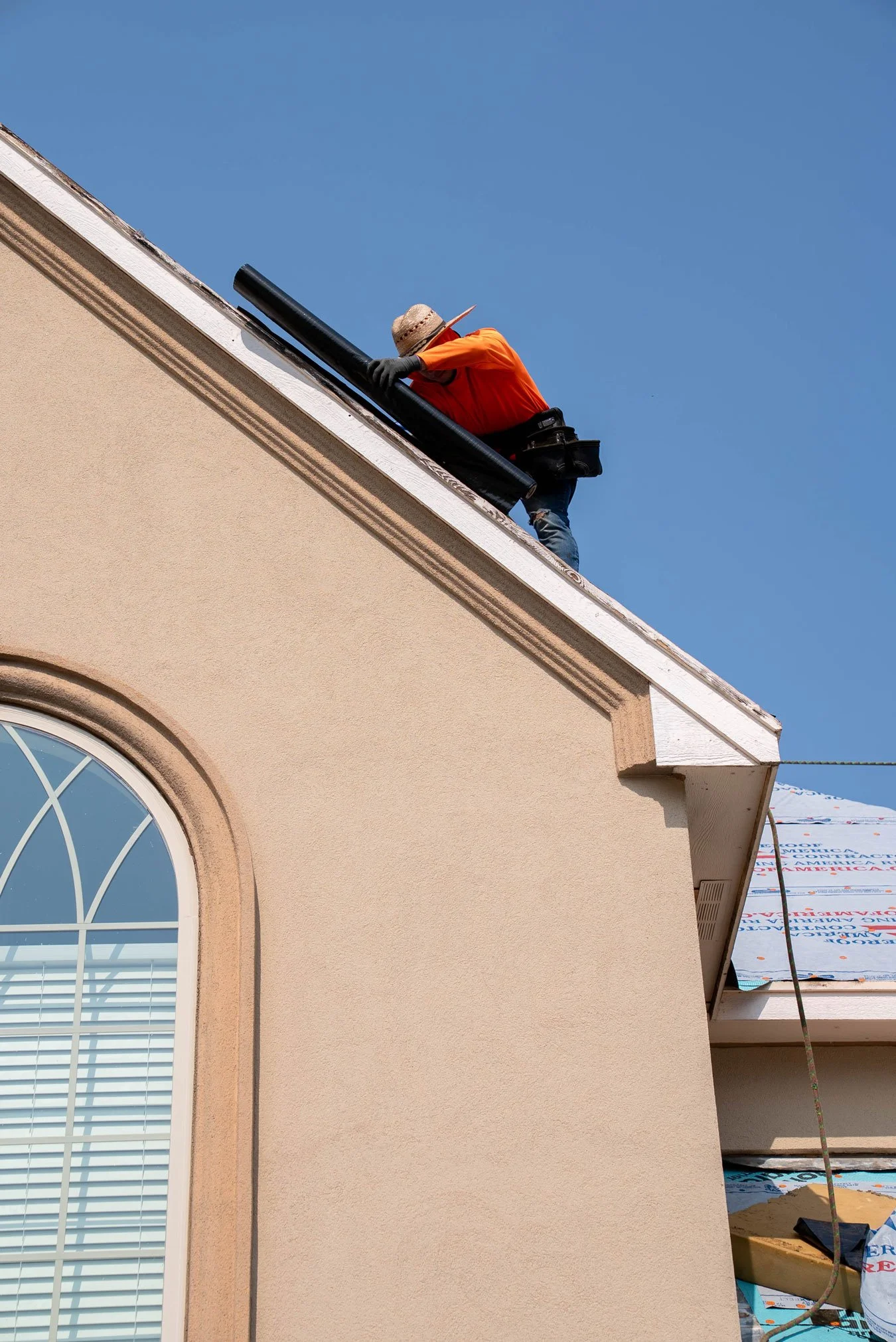
Rather than relying on one product, the FORTIFIED™ standard brings together several carefully tested construction improvements. These upgrades help keep the roof attached, limit water intrusion, protect vulnerable edges, and create a complete roofing system built for greater resilience. As a certified FORTIFIED™ contractor, Reroof America can help homeowners understand the construction requirements and navigate the process in select markets.
Why FOrtified™?
Up to 74% Fewer Claims
A study of more than 40,000 properties affected by Hurricane Sally found that homes with a FORTIFIED™ designation were significantly less likely to file an insurance claim than homes built using typical construction standards.
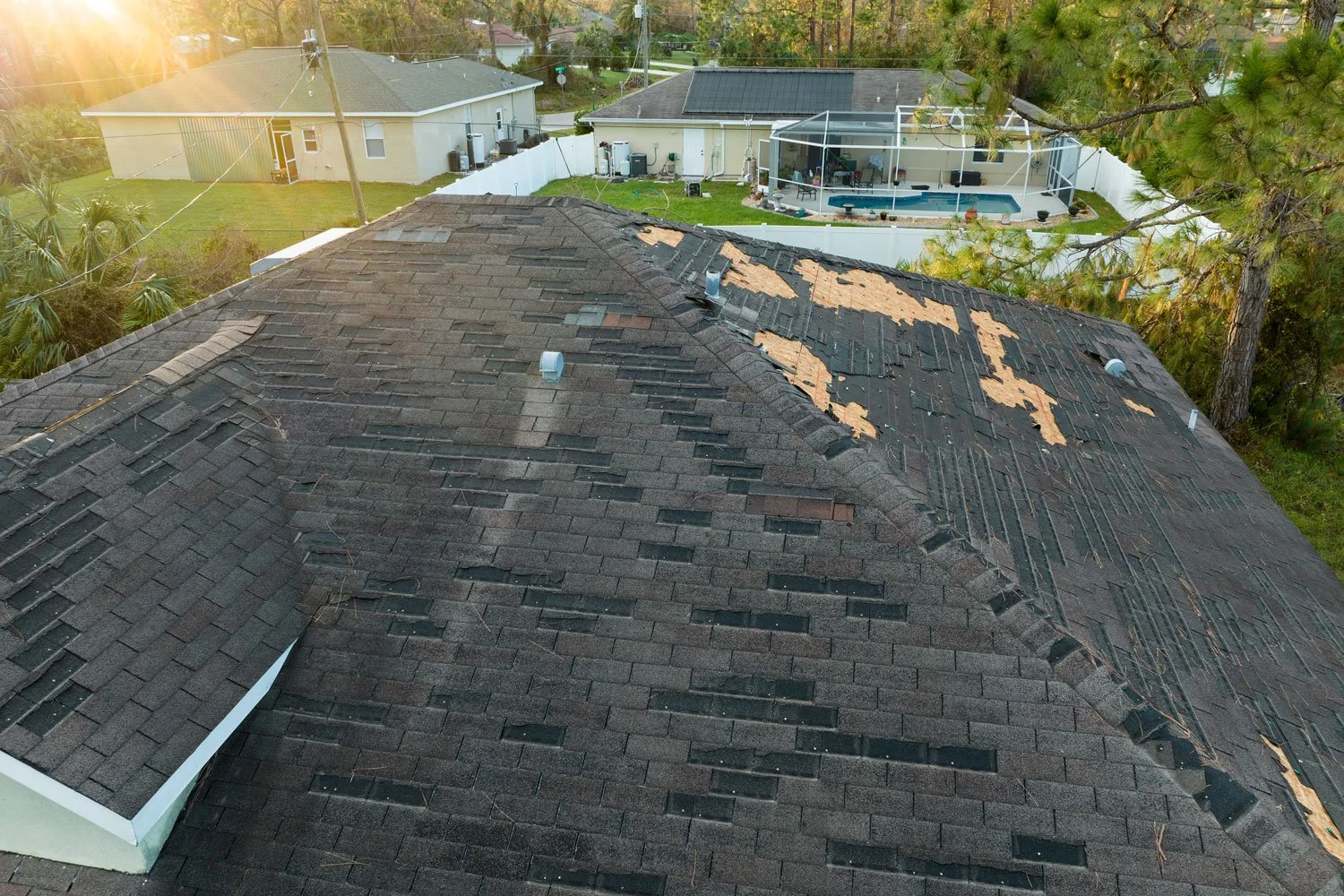
Conventional Roof
Standard construction may meet local building code requirements, but it may not include the enhanced roof-deck attachment, sealed seams, reinforced edges, and tested materials required by the FORTIFIED™ standard.
FORTIFIED™ Roof
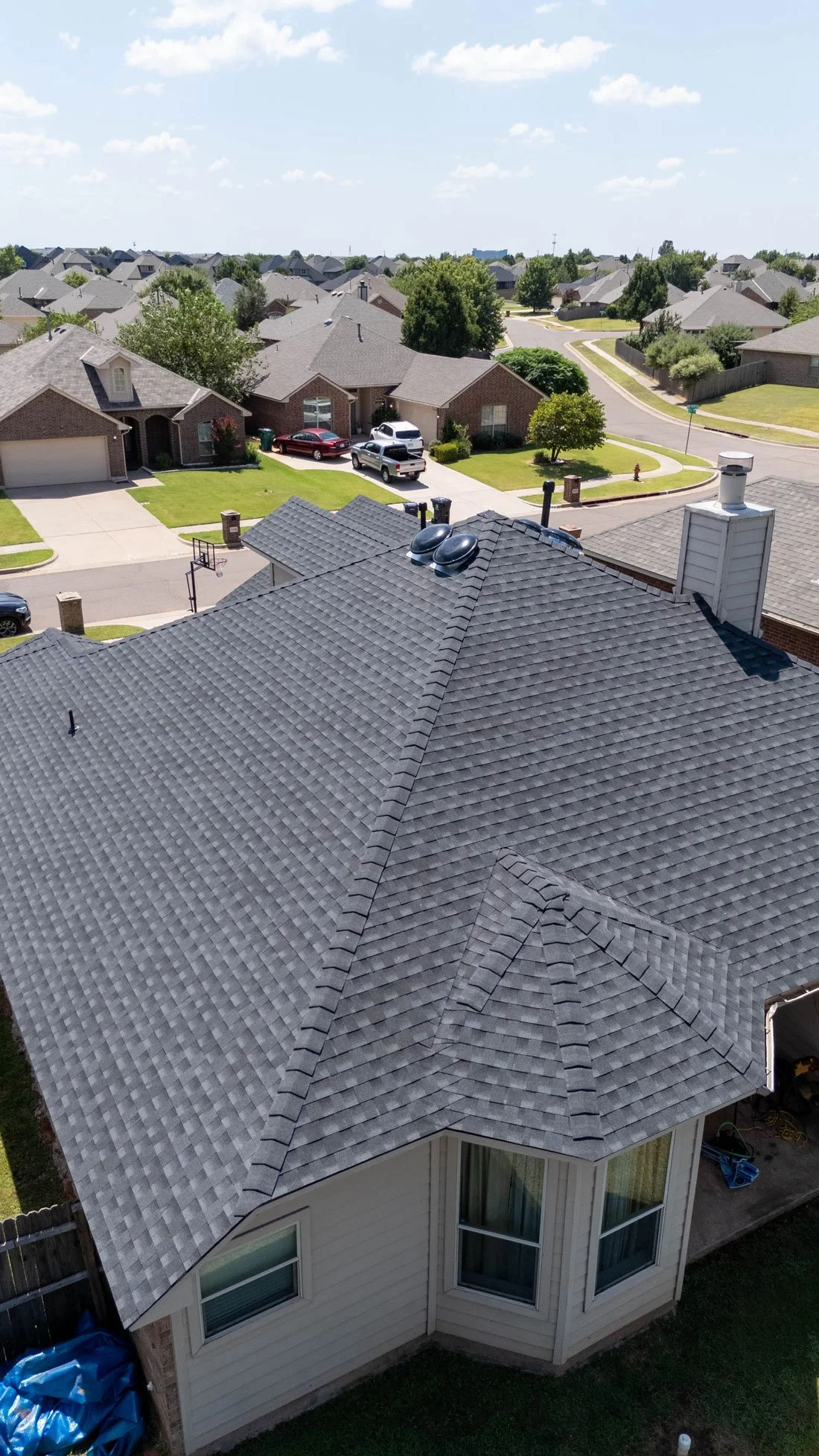
FORTIFIED™ construction uses a coordinated system of improvements designed to reduce the risk of roof failure and limit the damage that can follow. WHICH REDUCES THE FREQUENCY OF YOUR CLAIMS.
Relative Claim Frequency
Built Differently

-
A FORTIFIED™ Roof is not defined by one shingle, panel, or product. It is a complete system designed to address areas where roofs are particularly vulnerable during severe weather.
-
FORTIFIED™ requires the roof deck to be secured with ring-shank nails installed in an enhanced fastening pattern. Their ridged design provides a stronger grip than common smooth nails, helping the roof deck remain attached when exposed to powerful wind forces.
IBHS testing shows that enhanced roof-deck attachment can nearly double the uplift resistance of the roof.
-
If shingles, tiles, or metal panels are damaged or removed during a storm, rain can pass through the seams in an exposed wood roof deck and enter the home.
A sealed roof deck creates a secondary layer of protection beneath the roof covering. This system can reduce potential water intrusion by as much as 95%, helping protect insulation, ceilings, walls, flooring, and personal belongings.
-
Wind damage often begins at the edge of a roof. Once wind gets beneath the roof covering, it can begin peeling materials away and exposing more of the structure.
FORTIFIED™ requires specific edge details, including a wider drip edge and a fully adhered starter strip. Together, these improvements help lock down the roof perimeter and strengthen one of its most vulnerable areas.
-
FORTIFIED™ Roof systems can use several common roof-covering materials, including asphalt shingles, metal, tile, and qualifying low-slope systems.
The selected materials must meet specific testing and performance requirements for wind resistance. Homes in hail-prone areas may also qualify for the optional FORTIFIED™ Hail Supplement when approved impact-resistant materials and installation methods are used. Once the home meets the program requirements, IBHS issues an official FORTIFIED™ designation certificate.
Three Steps to a FORTIFIED™ Roof
A Documented Process From Planning to Designation
A roof does not earn a FORTIFIED™ designation based only on its finished appearance. Key installation details must be planned, documented, and verified throughout the project.
01. Plan
The process begins by assembling a qualified project team. As a certified FORTIFIED™ contractor, Reroof America completes the required roofing improvements and coordinates with a certified third-party FORTIFIED™ Evaluator, who independently verifies that the project follows the applicable standard.
Planning early helps ensure the correct materials, installation methods, and documentation are included from the beginning.
02. Build and Verify
The roofing contractor completes the required improvements while the FORTIFIED™ Evaluator documents important stages of construction.
This verification may include photos, product labels, installation details, and other records showing that the work meets the FORTIFIED™ standard. Many of these details will no longer be visible once the roof is complete, which makes documentation during construction essential.
03. Earn the Designation
After construction is complete, the evaluator submits the required documentation to IBHS for review. If the home meets the program requirements, IBHS issues an official FORTIFIED™ designation certificate.
Only a roof that has completed the evaluation and review process can receive an official designation.
Proven by Research
Research You Can Build On
FORTIFIED™ is based on more than 20 years of scientific research, laboratory testing, and observations from real-world severe weather events.
100,000+
FORTIFIED™ designations issued nationwide
Homeowners across the country have used the FORTIFIED™ program to pursue stronger, more resilient homes.
Up to 74%
Fewer insurance claims
A study of Hurricane Sally losses found that FORTIFIED™ homes experienced a 55% to 74% reduction in claim frequency, depending on the designation level studied.
Up to 95%
Less potential water intrusion
Sealing the roof deck can dramatically reduce the amount of rain entering a home if the outer roof covering is damaged or removed.
Nearly 2X
Roof-deck uplift resistance
Using ring-shank nails in an enhanced attachment pattern can nearly double the roof deck’s resistance to wind uplift.
Inside a FORTIFIED™ Roof
Protection That Works as a Complete System
Each FORTIFIED™ improvement addresses a specific roofing vulnerability. Together, they help the roof remain attached, keep water outside, and reduce the chance that one damaged component will lead to more extensive damage.
Explore the parts of a FORTIFIED Roof™.
01
Enhanced Deck Attachment
Ring-shank nails and an enhanced fastening pattern provide a stronger connection between the roof deck and the home.
02
Sealed Roof-Deck Seams
The seams in the wood roof deck are sealed to help prevent rain from entering if the exterior roof covering is lost.
03
Approved Underlayment
Qualifying underlayment adds another protective layer between the roof deck and the exterior roof covering.
04
Wider Drip Edge
A wider, properly installed drip edge helps strengthen the roof perimeter and direct water away from vulnerable areas.
05
Adhered Starter Strip
A fully adhered starter strip helps secure the first row of roofing material, where wind can otherwise begin lifting the roof covering.
06
Tested Roof Covering
Shingles, metal panels, tiles, and qualifying low-slope materials must meet the applicable FORTIFIED™ wind-performance requirements.
07
Protected Openings
Roof vents and other openings must meet applicable installation and performance requirements to reduce the risk of wind-driven rain entering the home.
08
Optional Hail Protection
Homes in hail-prone areas may pursue the FORTIFIED™ Hail Supplement by using qualifying impact-resistant roof coverings and meeting additional program requirements.
Built for the Weather Where You Live
National Standards With Region-Specific Protection
Severe weather does not look the same in every part of the country. FORTIFIED™ includes standards intended to address different weather risks, allowing homeowners to pursue improvements suited to the conditions their homes are most likely to face.
Oklahoma
Oklahoma homes may be exposed to severe thunderstorms, damaging straight-line winds, hail, and tornadoes. A stronger roof deck, sealed seams, reinforced edges, and tested roof coverings can help reduce the chance that roof damage leads to widespread water intrusion.
Reroof America is a certified FORTIFIED™ contractor serving qualifying homeowners in Oklahoma. Through the Strengthen Oklahoma Homes Grant Program, eligible homeowners may receive up to $10,000 toward the cost of upgrading to a FORTIFIED Roof™ High Wind designation with the Hail Supplement.
Grant funding, eligibility, application requirements, and availability are subject to the current terms of the program. Homeowners should confirm approval before beginning work or relying on grant funds.
Explore the Oklahoma Program View FORTIFIED™ IncentivesLouisiana
Louisiana homeowners regularly face hurricane winds, tropical storms, heavy rainfall, and wind-driven rain. FORTIFIED Roof™ improvements are designed to help the roofing system remain intact and continue protecting the home, even if portions of the exterior roof covering are damaged.
Homeowners should contact Reroof America to confirm whether FORTIFIED Roof™ installation is currently available in their area.
View Louisiana FORTIFIED™ IncentivesFlorida
Florida homes may face hurricane winds, intense rainfall, and wind-driven rain. FORTIFIED™ improvements can add another level of resilience beyond a standard roof replacement by addressing roof attachment, water protection, vulnerable edges, and tested materials as one coordinated system.
Homeowners should contact Reroof America to confirm whether FORTIFIED Roof™ installation is currently available in their area.
View Florida FORTIFIED™ IncentivesMinnesota
Snow, ice, freezing rain, hail, and high winds can place stress on a Minnesota roof. A sealed roof deck can provide secondary protection against water intrusion, while enhanced attachment and tested roof coverings help improve the roof’s overall performance.
Homeowners should contact Reroof America to confirm whether FORTIFIED Roof™ installation is currently available in their area.
Explore FORTIFIED™ ResourcesEverywhere Else
FORTIFIED construction principles can provide meaningful benefits wherever homes are exposed to high winds, hail, heavy rain, hurricanes, tornadoes, or other severe weather.
Even where a dedicated state program or financial incentive is not available, homeowners may use the FORTIFIED™ standards to guide a stronger reroofing or construction project. Receiving an official designation requires completion of the program’s evaluation, documentation, and review process.
View the FORTIFIED™ IncentivesResource Library
Learn More About FORTIFIED™
Explore official homeowner guides, technical information, and program resources to better understand the FORTIFIED™ standard and designation process.
Homeowner Guides
What Is FORTIFIED™?
Learn about the science, construction improvements, and severe-weather protection behind the FORTIFIED™ program.
FORTIFIED™Roof Overview
Learn how better attachment, a sealed roof deck, stronger edges, and tested roof coverings work together.
FORTIFIED™ Fact Sheets
Review official fact sheets with information about maintaining a FORTIFIED™ Roof, Silver, or Gold designation.
Technical Documents
2025 FORTIFIED™ Home Standard and Technical Resources
Review the current FORTIFIED™ Home Standard, roof requirements, documentation checklists, technical bulletins, compliance forms, and construction details.
Hail Impact-Resistant Roof Guidance
Learn about qualifying impact-resistant materials and the requirements associated with the optional FORTIFIED™ Hail Supplement.
Strengthen Oklahoma Homes Grant Program
Learn about current eligibility requirements, available funding, and the application process for Oklahoma homeowners pursuing a qualifying FORTIFIED Roof™.
The account rep or client will need to provide the exact official grant link before publication.
Program and Professional Resources
Financial Incentives
Check for current grants, insurance discounts, tax credits, and other incentives that may be available in your state.
Frequently Asked Questions
-
A FORTIFIED Roof™ is a roofing system built or reroofed according to standards developed by the Insurance Institute for Business & Home Safety. The standard includes specific improvements designed to help the roof resist high winds, hail, hurricanes, heavy rain, and other severe weather.
-
No. Building codes establish minimum construction requirements for a particular jurisdiction. FORTIFIED™ is a voluntary, beyond-code standard developed to improve how a home performs during severe weather.
Local codes still apply, and all construction must meet applicable permitting and inspection requirements.
-
An official FORTIFIED™ designation requires the roofing work to meet specific construction and documentation standards. Reroof America is a certified FORTIFIED™ contractor and coordinates with a certified third-party FORTIFIED™ Evaluator during the designation process.
The evaluator independently documents and verifies key stages of the project. IBHS then reviews the completed records before issuing an official designation.
-
The cost depends on the home, roof size, roof design, existing roof condition, selected materials, local labor rates, required repairs, evaluation fees, and the level of protection being pursued.
Some FORTIFIED™ improvements are most practical to complete when a roof is already being replaced. A property assessment and written estimate are needed to determine the actual cost.
-
A certified FORTIFIED™ Evaluator documents key stages of the project, including details that may be covered once construction is complete. The evaluator then submits the required documentation to IBHS for review.
An official designation is issued only after IBHS confirms that the applicable requirements have been met.
-
An initial FORTIFIED™ designation lasts five years. A redesignation inspection is required to maintain the property’s designation after that period.
If the home has not been substantially changed and the roof covering remains in good condition, a site inspection may be the only step required for redesignation.
-
Eligible Oklahoma homeowners may qualify for up to $10,000 through the Strengthen Oklahoma Homes Grant Program to upgrade to a qualifying FORTIFIED Roof™ High Wind designation with the Hail Supplement.
Eligibility, funding, and application availability may change. Homeowners must receive program approval before beginning work. Grant funds are paid directly to the contractor after the project is completed and approved, and evaluator fees are not included in the grant award.
-
Some states and insurance providers offer discounts, mitigation credits, reduced deductibles, or other benefits for homes with a valid FORTIFIED™ designation. Savings are not guaranteed and can vary based on the insurer, policy, designation level, and property location.
Homeowners should contact their insurance provider directly to ask what documentation is required and whether their policy qualifies.
-
Not automatically. The standard includes wind-performance requirements for roof coverings, but enhanced hail protection is addressed through the optional FORTIFIED™ Hail Supplement.
The Hail Supplement requires qualifying impact-resistant materials and additional program criteria.
-
FORTIFIED Roof™ focuses on strengthening the roof system, including its attachment, water protection, edges, and exterior roof covering.
FORTIFIED™ Silver includes the roof-level requirements and adds protection for other vulnerable areas, such as windows, doors, garage doors, attached structures, and certain openings.
FORTIFIED™ Gold builds on Roof and Silver by strengthening the connections between the roof, walls, floors, and foundation. This continuous load path helps the home perform as one connected structural system.
The appropriate designation level depends on the home, project scope, regional weather risks, and whether the work involves reroofing, renovation, or new construction.
Is a FORTIFIED Roof™ Right for Your Home?
A roof replacement is an opportunity to do more than install new exterior materials. It may also be the right time to strengthen the underlying roof system, improve protection against water intrusion, and prepare your home for the weather risks in your area.
As a certified FORTIFIED™ contractor, Reroof America can help homeowners understand the construction requirements, coordinate with a certified third-party evaluator, and navigate the designation process in select markets. Our team can review your roofing needs and help determine the next steps toward a stronger, more storm-ready roof.

Protect Your Home with Reroof America
From minor repairs to full-scale replacements, Reroof America is your trusted partner for residential roofing solutions. Let us provide you with a safe, durable, and beautiful roof.